English
 Afrikaans
 Albanian
 Amharic
 Arabic
 Armenian
 Azerbaijani
 Basque
 Belarusian
 Bengali
 Bosnian
 Bulgarian
 Catalan
 Cebuano
 Chichewa
 Chinese (Simplified)
 Chinese (Traditional)
 Corsican
 Croatian
 Czech
Czech Danish
 Dutch
Dutch Esperanto
 Estonian
 Filipino
 Finnish
 French
 Frisian
 Galician
 Georgian
 German
 Greek
Greek Gujarati
 Haitian Creole
 Hausa
Hausa Hawaiian
 Hebrew
 Hindi
Hindi Hmong
Hmong Hungarian
 Icelandic
 Igbo
Igbo Indonesian
 Irish
Irish Italian
 Japanese
 Javanese
 Kannada
 Kazakh
 Khmer
Khmer Korean
 Kurdish (Kurmanji)
 Kyrgyz
 Lao
Lao Latin
Latin Latvian
 Lithuanian
 Luxembourgish
 Macedonian
 Malagasy
 Malay
Malay Malayalam
 Maltese
 Maori
Maori Marathi
 Mongolian
 Myanmar (Burmese)
 Nepali
 Norwegian
 Pashto
 Persian
 Polish
 Portuguese
 Punjabi
 Romanian
 Russian
 Samoan
 Scottish Gaelic
 Serbian
 Sesotho
 Shona
Shona Sindhi
 Sinhala
 Slovak
 Slovenian
 Somali
 Spanish
 Sudanese
 Swahili
 Swedish
 Tajik
Tajik Tamil
Tamil Telugu
 Thai
Thai Turkish
 Ukrainian
 Urdu
Urdu Uzbek
Uzbek Vietnamese
 Welsh
Welsh Xhosa
Xhosa Yiddish
 Yoruba
 Zulu
Zulu
Now that January is behind us, it’s a great time to build easy, consistent speech practice habits for the rest of the school year. Starting speech practice can feel like staring at a 1,000-piece puzzle and not knowing where to begin—overwhelming before you even start. You’re not alone!
That’s where the 3-Minute Rule comes in…..The 3-Minute Rule is a tiny, mighty habit that makes speech practice easier, more consistent, and even a little fun. Three minutes is like snapping in a single puzzle piece each day—small on its own, but it adds up meaningfully. The idea is simple: just three minutes at a time. Short, doable, and surprisingly powerful!
Why 3 Minutes Works
Speech and language are motor skills, not just facts. Your brain needs practice + repetition to learn new sounds and patterns. Three minutes works because:
- It’s short enough anyone can start
- It removes the “ugh, too hard” feeling
- It often grows naturally into a few short sessions a day
Even a tiny session can turn into mini-practice adventures throughout the day!
How to Make It Work at Home
- Pick one target (sound, word type, or strategy)
- Set a 3-minute timer — treat it like a mini game
- Stop when it ends — even if it’s going well
- Attach practice to routines (after brushing teeth, snack time, or before screens)
Showing up is the win — not perfection.
What 3 Minutes Can Look Like
👶 Early Years
- Play with sounds during peek-a-boo or story time
- Repeat favorite words in books
- Mini turn-taking games
🧒 School-Age
- 10–20 solid sound repetitions
- Short reading or conversation practice
- Quick sentence-building games
🧑🦱 Teens & Older
- Target sounds in conversation
- Reading aloud or practicing key words
- Fun fluency or voice strategies
Even one short practice works — several times a day is even better!
Miss a Day?
No worries. Habits grow over time. Keep coming back, celebrate small wins, and watch progress quietly pile up.
Why This Works — Backed by Science
Helping children build strong speech and language skills doesn’t require long, overwhelming practice sessions. In fact, the science of habit formation tells us the opposite: small, consistent actions create the biggest long‑term results. Here’s some research behind why tiny speech routines—like the 3‑Minute Rule—are so effective.
Tiny Actions Add Up
- Atomic Habits — James Clear
Clear’s work shows that meaningful change comes from getting “1% better every day” through tiny, consistently repeated habits. His framework emphasizes creating habits so small you can’t say no—an approach that turns small actions into major progress over time.
- Tiny Habits — BJ Fogg, PhD
Fogg’s behavior model explains that habits stick when motivation, ability, and a prompt come together. His method focuses on anchoring tiny actions to everyday routines—like adding three minutes of speech practice after brushing teeth—so small habits naturally grow.
Why This Applies to Speech Practice
Speech development relies heavily on motor learning, meaning skills improve through frequent, low‑effort repetition that strengthens motor pathways in the brain. Repetition—done consistently—helps the brain create and refine the motor plans needed for clear speech.
This idea aligns with habit science: Children don’t need more time; they need repeated time.
The Takeaway for Families
When it comes to speech and language growth, little moments matter. Three minutes a day may seem small, but according to the leading research on habits and motor learning, small steps practiced consistently lead to big, lasting changes.
Three minutes, done often, builds confidence, strengthens motor plans, and turns speech practice into a little daily win!
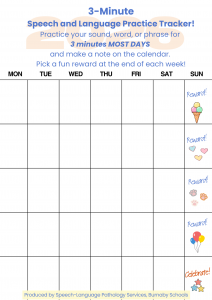
Here is a chart which you can use to start your 3 minute practice!
Resources:
These resources support the idea that short, frequent speech‑practice moments can help children make steady progress.
Motor Learning & Speech Therapy
- ASHA Practice Portal (American Speech-Language-Hearing Association)
Provides guidance for speech sound disorders and apraxia, emphasizing frequent, shorter practice sessions and motor learning principles that help speech skills stick. [asha.org] - Bjorem Speech – Principles of Motor Learning for Childhood Apraxia of Speech
Explains that children learn speech movements best with short, repeated practice (distributed practice), which improves retention and carryover. [bjoremspeech.com] - Gate to Communicate — Principles of Motor Learning
Highlights why small amounts of practice done often help children remember and use new speech skills in everyday life. [gatetocomm…nicate.com] - Adult Speech Therapy Workbook — Motor Learning Guide
Describes how practicing speech skills in short bursts across the day can be more effective than one long session. [theadultsp…rkbook.com] - SpeechPathology.com — Motor Learning for Speech Sound Disorders (Carol Koch, EdD)
General Books on Building Small, Consistent Habits
These books aren’t about speech specifically but help explain why small daily routines—like a 3‑minute practice—can make a big difference.
- Atomic Habits — James Clear
- Tiny Habits — BJ Fogg
- Mini Habits — Stephen Guise
- Feel Better, Live More Podcast — Dr. Rangan Chatterjee
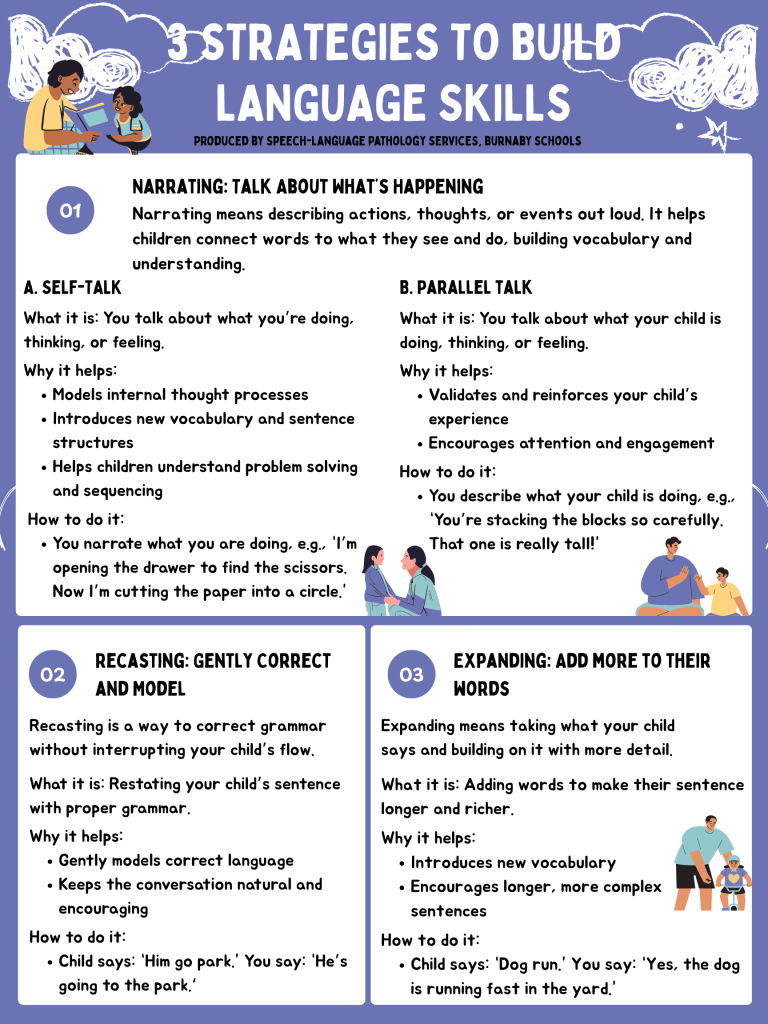

 As we are spending so much time at home, we are facing the dilemma of how to keep our children entertained.