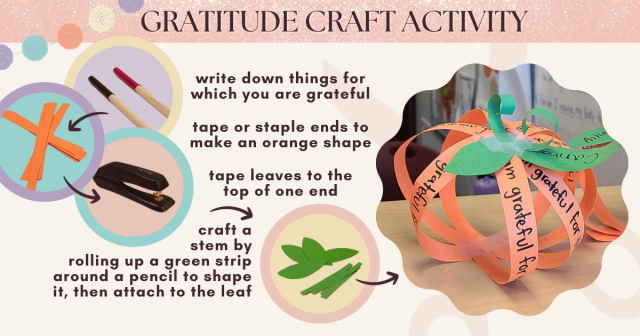
We all want to live our best life. This desire is what motivates us to strive for it. But in our pursuit of happiness, how often do we stop and appreciate what we already have? If you take a moment to reflect, you’ll find that there is a lot to be grateful for. This simple acceptance will trigger physiological responses that can improve all aspects of your health better than any pill, and without any of the side effects.
When we show gratitude and get it in return, our brain releases two important neurotransmitters called dopamine and serotonin (more on this below). These are like magical chemicals in our brain that affect how we feel. They can instantly boost our mood and make us feel really happy.
Neurotransmitters are chemical compounds that play a crucial role in the transmission of signals in the nervous system. They are responsible for communication between neurons (nerve cells) and are essential for various physiological and cognitive functions. Here is an overview of dopamine and serotonin:
Dopamine:
- Functions as both a chemical messenger and a neuromodulator in the brain
- Plays a key role in the brain’s reward system, motivation, and reinforcement of behavior. It is often associated with feelings of pleasure and reward
- Involved in regulating mood, attention, and movement. It plays a critical role in motor control and is associated with conditions like Parkinson’s disease, which results from dopamine deficiency
- Imbalances are associated with various psychiatric disorders, including schizophrenia, addiction, and mood disorders
Serotonin:
- Regulates mood, emotion, and various physiological processes
- Often referred to as the “feel-good” neurotransmitter because it contributes to feelings of well-being and happiness
- Involved in regulating sleep, appetite, and digestion, as well as controlling anxiety and mood. It has a calming and stabilizing effect on the brain
- Medications like selective serotonin reuptake inhibitors (SSRIs) are commonly used to increase serotonin levels in the brain and treat conditions such as depression, anxiety, and certain eating disorders
- Imbalances are associated with mood disorders like depression and anxiety, as well as conditions like obsessive-compulsive disorder (OCD) and post-traumatic stress disorder (PTSD)
Gratitude prompts to help you get started:
- This summer, I was grateful for…
- The person I’m grateful for…
- The thing I’m grateful for…
- A memory I’m grateful for…
- Something that comforts me that I’m grateful for…
- Something funny that I’m grateful for…
- A food that I’m grateful for…
Here is a video that you can play for kids to introduce the concept of gratitude:
Practice makes progress! By making an effort to be thankful every day, we can make these brain pathways stronger over time. This can help us become NATURALLY more grateful and positive in the long run. Start this regular practice of gratitude with the fun craft idea below; an activity that Ms. Gill does with some of her students.