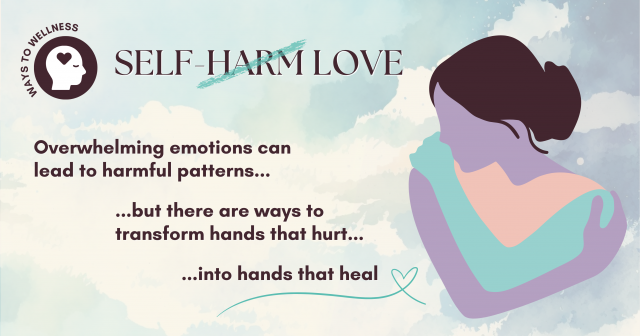
Self-harm (also called self-injury or NSSI/non-suicidal self-injury) is when someone intentionally hurts their own body without the intent to end their life. Examples include cutting, burning, scratching, or hitting themselves. This behaviour is a way some young people cope with overwhelming feelings or distress, not a passing “phase” or “just attention-seeking.” It’s a signal that something inside them feels too difficult to manage alone.
WHY SOME KIDS HURT THEMSELVES
Young people may turn to self-harm if they are trying to:
- Release emotional pain
- Cope with anxiety, stress, sadness, or anger
- Feel something when they feel “numb”
- Regain a sense of control
- Express feelings they cannot explain
Many children cannot clearly say, even to themselves, why they do this. That is normal.
It is important to know that while self-harm is often used as a coping strategy, it can increase the risk of future mental health difficulties if left unaddressed. Early support makes a difference.
SIGNS THAT SOMETHING MIGHT BE HURTFUL, NOT ACCIDENTAL
Look for changes that are not normal for your child, such as:
- Unexplained cuts, scratches, or burns
- Wearing long sleeves or pants in warm weather
- Avoiding swimming or sports
- Spending long periods alone in the bathroom or bedroom
- Mood changes, withdrawal, or irritability
- Drop in school engagement or confidence
- Talking negatively about themselves
These can be clues that emotional hurt is turning into physical coping. No single sign proves a child is self-harming, but patterns matter.
HOW TO START THE CONVERSATION
How adults respond matters, so try to:
- Stay calm
- Listen more than you talk
- Speak with care and curiosity
- Avoid lectures or threats
You might say:
“I’ve noticed you seem hurt/hurt yourself. I care about you and want to understand what you’re going through. Can you tell me about what you’re feeling?”
The goal is connection, not interrogation. Build safety and trust by letting them know you’re on their team.
BUILD A SAFETY PLAN TOGETHER
The Kelty Mental Health SELF Toolkit for Kids offers interactive tools to help families and children write a simple list that helps them understand:
S: STRESSORS
- What situations, thoughts, or events feel overwhelming?
E: EARLY WARNING SIGNS
- What changes happen when stress is building? What feelings come before the urge to self-harm?
L: LEARNING HOW TO
- What healthy ways can your child try first to cope?
F: FEEL BETTER
- Who can help, and what steps can be taken when things feel unsafe?
Working through this together helps children feel supported and gives families a shared plan for difficult moments.
HELPING CHILDREN LEARN SAFER COPING TOOLS
Learning new coping skills takes time. Some helpful alternatives to self-harm include:
- Deep breathing or grounding exercises
- Physical movement (walking, squeezing a stress ball)
- Drawing on skin with markers instead of cutting
- Safe sensory tools (ice cube, warm cloth, music)
These are not perfect fixes, but they can interrupt the urge and open space for other skills to grow.
WHEN PROFESSIONAL SUPPORT IS NEEDED
Support from trained professionals is important when:
- Self-harm is happening often
- Injuries are becoming more serious
- Your child talks about wanting to die
- Your child feels hopeless or trapped
Even if there is no immediate danger, professional support (a counsellor, pediatric mental health clinician, therapist) can help your child understand what’s going on inside and build better skills for coping.
SUPPORTING HEALING AT HOME
As a family, try to:
- Spend regular quality time together
- Keep routines predictable
- Encourage healthy sleep, food, and movement
- Praise effort, not just results
- Model healthy ways of handling stress
- Stay involved in your child’s daily life
- Celebrate small steps forward
Healing happens through connection.
RESOURCES FOR FAMILIES
MythBuster: Sorting fact from fiction on self-harm.
Self-Injury Outreach and Support (SiOS): Research-informed guides for youth, parents, friends, and professionals.
HealthyMindsBC Suicide & Self-Harm Resources: Videos and handouts by child psychiatrists explaining how to talk about and approach these behaviours.
RESOURCES FOR KIDS IN CRISIS
Suicide Crisis Helpline: 9-8-8 (text or call)
BC Crisis Line: 1-800-SUICIDE (1-800-784-2433)
310 Mental Health Support: 310-6789 (no area code required)
Vancouver Coastal Regional Distress Line: 604-872-3311
Kids Help Phone: 1-800-668-6868
Youth in BC: Confidential online chat support, crisis resources, and mental health info
Self-harm is not who your child is. It is something they are using to cope with pain. With understanding, tools, and support, children can learn healthier ways to manage their emotions and grow stronger over time. Help is also available at your school:
Tania Gill (She/Her) B.A., M.Ed.
Burnaby School District Counsellor